

No products in the cart.
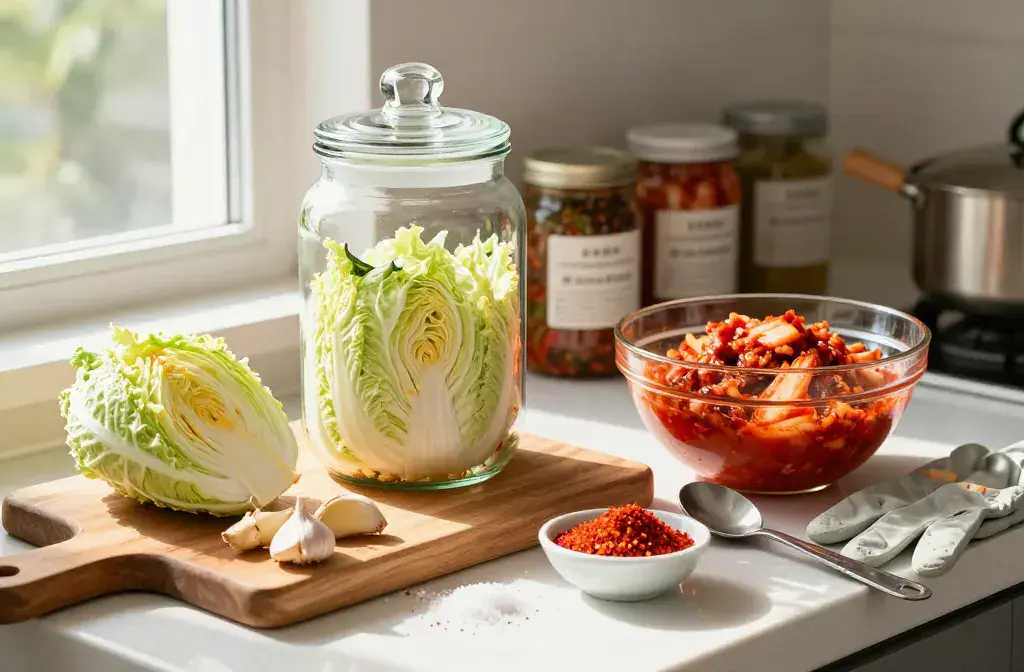
Starting a rack of jars in your fridge might seem fancy, but easy beginner kimchi with no special tools proves you can DIY tasty life hacks without stockpiling gadgets. You’ll taste bright, tangy crunch in a hurry, and you won’t need a fermentation lab to do it. Trust me, your weeknight dinner just got a glow-up.
What makes this version beginner friendly
Kimchi usually looks intimidating with towering fermentation setups, but this version trims the fat. You’ll use simple equipment most kitchens already own, and you’ll get a reliable, crowd-pleasing result. The magic lies in balance: the salt draws moisture, the chili heat hits just right, and the garlic and ginger wake up all the flavors. FYI, a little patience goes a long way, but you’ll still see results within a day or two.
What you need, no special tools required
- Large mixing bowl
- Sharp knife and cutting board
- Gloves (optional but helpful to avoid stinging hands)
- Jar or container with a tight lid
- Measuring spoons and a clean spoon for mixing
That’s basically it. No fermentation crock, no cabbage weights, just clean kitchen basics. If you don’t have a jar with a tight seal, a sturdy plastic container with a wide mouth works fine. Easy weeknight dinner, here we come.
The star players and their roles
Understanding what each ingredient does helps you troubleshoot on the fly. Keep this quick cheat sheet handy:
- Nap time for salt: Salt draws water out of cabbage and kickstarts fermentation. Too little and you’ll miss the snap; too much and you’ll end up with too briny a bite.
- Garlic and ginger: Midwest-meets-Korea flavor blast. They’re the aromatics that wake everything up.
- Korean red pepper flakes (gochugaru): Heat and color without sacrificing crunch. If you don’t have it, you can start with a pinch of chili flakes and adjust.
- Sugar or fruit juice: A touch helps the good bacteria prosper and balances the heat.
- Fish sauce or soy sauce: Adds depth, umami, and a savory backbone. Vegans can swap for a splash of miso or mushroom soy.
- Cabbage and carrot: The crisp backbone and natural sweetness balance the tangy bite.
Step by step: easy beginner kimchi process
- Prep the vegetables: Core and slice a head of napa cabbage into ribbons. Sprinkle with a pinch of salt and let it soften for 20 minutes. Rinse well and drain.
- Make the paste: In a bowl, whisk together minced garlic, grated ginger, gochugaru, a pinch of sugar, and a splash of fish sauce or soy sauce. You want a thick, spicy paste that clings to the cabbage leaves.
- Massive mix: Add shredded carrot and the cabbage to the paste. Use clean hands or a spoon to coat every piece evenly. This is where you’ll feel the flavors bonding—fun and a little messy.
- Pack snugly: Press the mixture into your jar or container, pushing down firmly so there’s little air. Leave a little headspace for expansion. If you see liquid, that’s the brine collection doing its job.
- Seal and wait: Close the lid loosely or store in a cool, dark spot. Start tasting after 24 hours; it will taste fresh and bright, with a gentle tang. In a day or two, it will become more funkily delicious, which is the point.
Tips for the texture and flavor you want
- If you crave extra crunch, add thinly sliced daikon or cucumber toward the end of mixing. They stay crisp and give a refreshing bite.
- For milder heat, reduce gochugaru by half; for more zing, add a touch more. You control the heat level, not a factory preset.
- Want a quicker version? Skip long brining and let the paste do the lifting. It’ll still be tasty, just with a touch less depth after the first day.
Flavor boosters and pantry shortcuts
Improvise without fear. Here are some smart swaps:
- Substitutions: If you don’t have napa cabbage, use green cabbage mixed with a little shredded carrot. It still ferments, and it tastes great.
- Sweeteners: Honey or maple can replace sugar, but use them sparingly to avoid overt sweetness.
- Umami boosters: A splash of miso paste stirred into the paste can add depth in a pinch.
- No fish sauce? Try a dash of soy sauce plus a tiny drop of sesame oil for a similar savoriness.
Storage, reheating, and meal prep for busy weeks
Kimchi improves with time, but it’s also ready to brighten a weeknight when you’re pressed for time. Here’s how to keep it practical.
- Storage tips: Keep in the fridge and use a clean utensil each time to avoid introducing unwanted microbes. The flavors develop over days, not hours.
- Reheating: Kimchi is typically eaten cold or at room temperature, but a quick sauté with greens makes an excellent side. It’s a one-pan moment you can actually pull off on a busy Monday.
- Meal prep: Make a larger batch of the paste and cabbage mix and store it in the fridge. It scales up to family dinners or quick lunches. FYI, it’s friendlier to your food budget than takeout.
Serving ideas that actually fit into your week
- Top a bowl of rice with kimchi and a fried egg for a simple one-pan meal that packs a protein punch.
- Stuff into a sandwich with roasted chicken or tofu for a tangy twist on leftovers.
- Pair with quick stir-fries: kimchi adds brightness to almost any veggie-forward dish.
Common questions answered
What are beginner kimchi special tools, and do I need them?
Nope, you don’t need fancy gear. A jar, a bowl, and a knife get you most of the way there. The name might imply special tools, but this recipe is all about using what you already own. Simple is delicious.
How do I know if my kimchi is fermenting correctly?
You’ll notice a tangy, slightly sour aroma and a fruity, garlicky scent that’s inviting. If the smell resembles rotting meat or you see pink film or mold, you should discard and start over. If in doubt, taste a tiny amount after day one. If it’s pleasantly sour and not harsh, you’re on track.
Can I make this vegan or dairy-free?
Yes. Use soy sauce or miso in place of fish sauce. The rest remains the same. The result is still bright, savory, and deeply satisfying.
How long can I store beginner kimchi in the fridge?
About 1 to 3 weeks for a tangy, crunchy kimchi, depending on your fridge temperature and how aggressively you pack the jar. If you notice it turning mushy, move it to the front of the fridge and use it quickly while it still tastes great.
Can I customize the spice level for kids?
Absolutely. Start with half the gochugaru, or blend half gochugaru with half mild chili flakes. You’ll still get the flavor without the heat curdling little taste buds. IMO, milder kimchi can be just as satisfying when you add a touch of sesame and a picante crunch from shredded carrot.
Why this recipe actually works on a busy night
It’s fast, flexible, and forgiving. The cabbage brines just enough to hold its shape, while the paste brings real depth in a way that feels homemade but not fussy. You don’t need perfect knife skills or a fermentation closet. You do need a tiny bit of patience, but you’ll taste the payoff in every crunchy bite.
Conclusion: your easy beginner kimchi journey starts now
With no special tools and a straightforward process, you can create a bright, versatile condiment that upgrades weeknight dinners, meal prep sessions, and family meals. The flavors are vibrant, the steps are simple, and the fridge will thank you for the daily tang. Ready to give it a try and wow your dinner crew with a quick, delicious make? Let’s go, chef in training.
Recipe Card
Easy Beginner Kimchi with No Special Tools
A bright, crunchy kimchi made with common kitchen tools, perfect for weeknights, meal prep, and family dinners. No fermentation gear required, just clean hands and a little patience.
- Prep Time: 20 minutes
- Cook Time: 0 minutes
- Total Time: 1 day
- Servings: 4
Ingredients
- 1 large head napa cabbage
- 1 tablespoon salt
- 2 cups shredded carrot
- 3 cloves garlic, minced
- 1 tablespoon grated ginger
- 1-2 tablespoons gochugaru (Korean chili flakes), adjust to taste
- 1 tablespoon sugar
- 1-2 tablespoons fish sauce or soy sauce
Instructions
- Core and chop cabbage, salt, and let rest 20 minutes. Rinse and drain well.
- Mix garlic, ginger, gochugaru, sugar, and sauce to form a thick paste.
- Combine cabbage and carrot with paste; coat evenly.
- Pack tightly into a jar, press to submerge in liquid, seal loosely, and refrigerate. Start tasting after 24 hours.
Notes
Flavor deepens over days. Use a clean utensil each time you scoop. If you skip fish sauce, add a splash of miso or mushroom soy for umami. For vegans, stick with soy sauce or miso and omit any animal-based ingredients.