

No products in the cart.
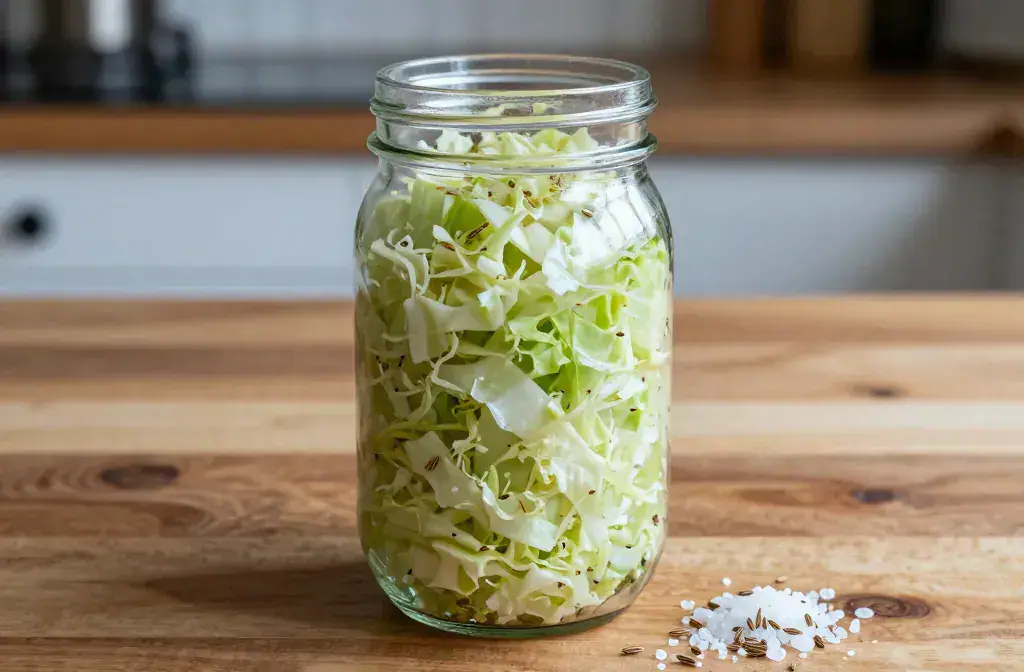
I’ll cut straight to the point: you can make easy homemade sauerkraut in a jar, and yes, it’s beginner-friendly. You get crisp, tangy flavor with minimal equipment, and you don’t need a fancy fermenting setup. Think simple cabbage, a little salt, and patient patience. Let’s turn a humble jar into a weeknight win.
What makes this easy homemade sauerkraut jar beginner guide you’ll actually use
Sauerkraut is basically fermented cabbage with a bite. The magic happens when salt draws out moisture and creates a brine that keeps bad bacteria out while good bacteria do their thing. The jars stay on your counter for a few days to a couple of weeks, depending on your taste. FYI, you don’t need a temperature-controlled setup to pull this off.
What you need, and how to pick ingredients
Before you start, gather a few things that won’t break your budget or your kitchen rhythm.
- Cabbage: A medium green or a mix of green and red for color. Fresh, firm leaves with no spots work best.
- Salt: Coarse kosher salt or sea salt. Avoid iodized table salt here; it can mess with fermentation flavor.
- Optional add-ins: Caraway seeds, juniper berries, or a carrot shred for extra crunch and aroma. Keep it simple if you’re aiming for a classic kraut.
- Jar: A wide-mouth quart jar works great. You can reuse a clean mason jar with a tight lid.
Ingredient roles in a sentence: cabbage gives the crunch, salt guides the moisture, and the jar keeps everything cozy and contained. No fancy gadgets required, which is exactly how I like to roll on weeknights.
Step by step: from cabbage to jar
Read through the steps first, then dive in. It’s a rhythm game more than a science experiment.
- Prep the cabbage: Remove the outer leaves and wash the head. Core it, then slice or shred into thin strips. You want something that fits easily under your finger and into the jar.
- Salt and massage: Sprinkle about 2 tablespoons of salt per 1 kilogram (roughly 2 pounds) of cabbage. Massage and squeeze the cabbage for about 5 minutes. You should start seeing water pool at the bottom. This is your brine generator.
- Pack into the jar: Tightly pack the cabbage into your jar, pressing down with your fist or a clean spoon. The goal is to submerge the cabbage under its own brine.
- Weight and seal: If you have a fermentation weight, drop it on top to keep cabbage submerged. If not, use a clean smaller jar filled with water as a weight. Seal the lid loosely or use a fermentation airlock if you’ve got one.
- Mark and store: Write the date on the jar. Place it somewhere dark and room temperature, around 65–75°F (18–24°C). It starts tasting good after 3–5 days, but you can go longer for stronger flavor.
Common questions as you go
How long should I ferment?
Most folks like it after 5 to 7 days for a mild tang, but you can go 2 weeks or longer for a deeper bite. Taste a small shred every few days. If it tastes right to you, it’s ready. Don’t worry about “over-fermenting”—it’s basically a sour cabbage you’re making, not a cake that falls flat.
What if I see scum or mold?
A thin film or something that looks whitish on top can be normal. Just skim it off and keep the cabbage submerged. If you see mold growing on the surface, discard the top layer and start again with clean gear. The key is to keep things submerged under brine.
Flavor tweaks and quick substitutions
Want to tailor this to your family’s taste or what you’ve got in the crisper? Here are easy tweaks.
- Spice it up: Add a few peppercorns, caraway seeds, or a tiny dash of fennel seed at the start. It gives a fun aroma without complicating the process.
- Sweet balance: Shave a carrot or add a small spoon of apple cider vinegar in the brine if you like a milder tang.
- Color and texture: Mix in shredded red cabbage for visual pop and slightly different crunch.
IMO, the best part about substitutions is that they don’t ruin the foundational fermentation. They just nudge the flavor in a direction you might actually crave on a busy Tuesday.
Storage tips, reheating, and keeping it safe
Once you’ve got your kraut, you’ll want to know how to keep it tasting good without turning your kitchen into a science lab.
- Storage: After opening, refrigerate. It will last several weeks in the fridge, getting more mellow with time.
- Substantial portions: If you’re cooking for a family, you can still batch this—just keep a few smaller jars in the fridge so you don’t risk a whole big jar going to waste.
- Reheating: Sauerkraut is typically served cold or room temp, which helps preserve the crispness. If you want it warm with an easy dinner, heat just a small portion gently—don’t boil it, or you’ll lose texture and some zing.
- One pan meal tie-in: This works great with sausages, roast pork, or even roasted chickpeas for a vegetarian route. It’s a side that can steal the show or stand on its own as a light main.
Serving ideas that actually feel like dinner
Now for the fun part: turning a jar into a tangible weeknight winner. Here are a few easy, adaptable ideas that don’t require a big kitchen overhaul.
- Simple sauerkraut bowl: Layer kraut over warmed potatoes or quinoa, toss in a protein like grilled chicken or tempeh, and drizzle a tangy lemon-yogurt sauce.
- Top it on proteins: Pile sauerkraut onto sausages, hot dogs, or pork chops for a bright, zippy contrast to meaty flavors.
- Salad boost: Add a handful to coleslaw or a simple green salad for crunch and acidity that keeps things interesting.
- One pan meal pairing: Sauté sliced onions and cabbage in a pan, add smoked sausage or tofu, and finish with a handful of kraut right at the end for a quick, hearty one pan meal.
FYI, the tanginess pairs especially well with fats and proteins, so don’t be shy about serving it alongside hearty dinners. It also makes leftovers feel way more exciting than plain leftovers usually do.
FAQ
Is this really beginner friendly
Absolutely. You just need cabbage, salt, a jar, and a little patience. The steps are straightforward, and you can adjust as you go. If you can chop cabbage, you can make sauerkraut.
What is the best salt to use
Coarse kosher or sea salt works best. Fine table salt can make the brine too salty or uneven. If you only have table salt, use a bit less and dissolve it in water first to distribute evenly.
How do I know it’s safe to eat
Look for a clean, fizzy bubbling in the brine after a few days. The kraut should smell pleasantly sour and a bit tangy. If you see mold on top or a rotten smell, discard and start over. Better safe than sorry, right?
Can I speed up the process
You can taste earlier and refrigerate sooner to slow fermentation, but you can’t really rush the flavor chemistry. If you want a fast option, you can lightly ferment for 3–4 days, then refrigerate and enjoy soon after. FYI, patience pays off with a crisper bite.
Conclusion
This easy homemade sauerkraut jar beginner guide is all about making flavor payoff without drama. A few simple steps, a pinch of salt, and a jar that does its thing on your counter can deliver weeknight win after weeknight win. It’s practical, it’s tasty, and it fits into real family dinners without turning your kitchen into a fermentation lab. Grab a head of cabbage and give it a go—your future self will thank you for the crunch and tang.
Recipe Card
Easy Homemade Sauerkraut Jar Beginner Guide Recipe
A simple, beginner friendly method to make crunchy sauerkraut in a jar with minimal equipment, perfect for weeknight flavor and meal prep.
- Prep Time: 15 minutes
- Cook Time: 0 minutes
- Total Time: 3 7 days (depending on fermentation pace)
- Servings: 4–6
Ingredients
- 1 medium green cabbage
- 2 tablespoons coarse salt
- Optional: 1 carrot, shredded
- Optional: 1 teaspoon caraway seeds
Instructions
- Thinly slice or shred cabbage and mix with salt in a large bowl. Massage until brine forms.
- Pack tightly into a clean quart jar, pressing down until brine covers the cabbage.
- Weight the cabbage if needed and seal the jar loosely. Let ferment at room temperature, checking daily.
- Move to the fridge when you reach your desired tang, usually after 5–14 days.
Notes
Ensure the cabbage remains submerged under brine during fermentation. If you notice mold, discard the top layer and keep the rest submerged. Adjust fermentation time to taste preference and climate conditions.