

No products in the cart.
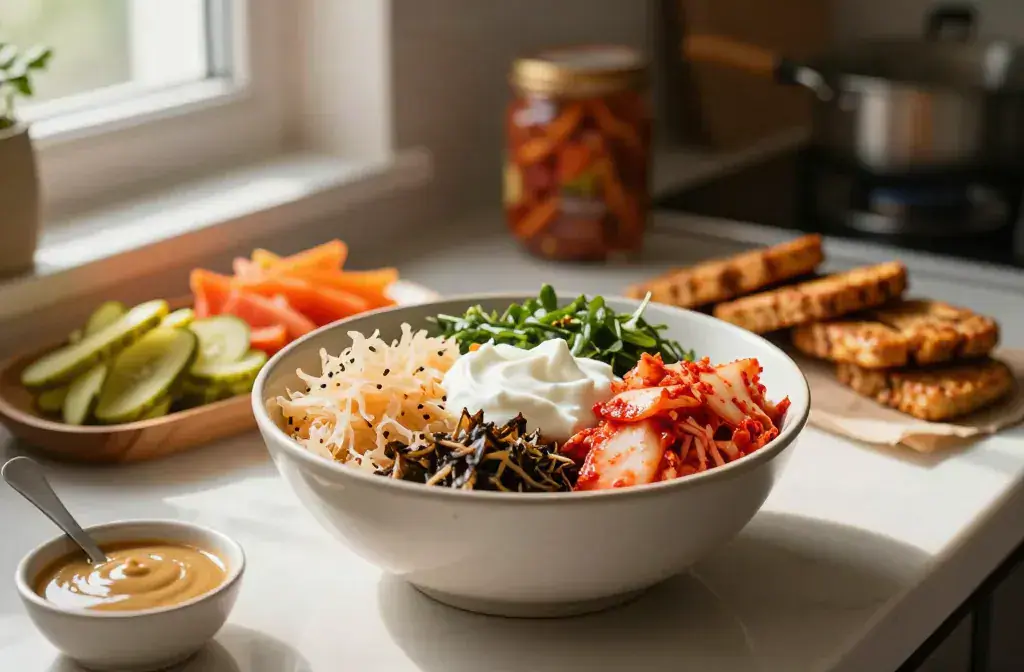
Dive into gut friendly, fermented everyday eating that actually fits a busy week. Fermented goodies aren’t fussy gimmicks; they’re flavor boosters that work with real life, not against it. Let’s dish on easy, high protein, and genuinely tasty ways to slip fermentation into your daily meals.
What makes fermentation a smart everyday move
Fermentation does more than give foods a tangy zing. It helps develop natural acids and beneficial microbes that can support gut health, digestion, and even a longer-lasting energy bump after meals. You don’t need a microbiology degree to enjoy the perks—just a few reliable staples and some room to experiment. FYI, you don’t have to turn your kitchen into a lab to start.
Starter staples for quick gut-friendly meals
– Sauerkraut and kimchi: Crunchy, bright, and easy on weeknights. Use as a topping, mix into bowls, or fold into sauces for zing.
– Fermented yogurt or kefir: A tangy base for smoothies, dressings, or bowls that stays smooth even when you’re juggling a busy day.
– Fermented soy products: Tempeh and miso add deep savory notes and protein without needing to rely on meat.
– Pickled veggies: Cucumber, carrots, radish—snappy and vibrant, they wake up plain bowls and salads.
Meal ideas that blend gut health, protein, and flavor
This section covers balanced, everyday meals that are friendly to busy schedules.
High-protein bowls with a fermented twist
A protein-forward bowl keeps you full and fueled. Build it like this:
– Start with a protein base: quinoa, lentils, or chickpeas for a plant-forward option, or lean chicken/thinly sliced beef for extra protein.
– Add roasted veggies: broccoli, zucchini, bell peppers keep the color vivid and the texture varied.
– Layer in fermented accents: a spoon of sauerkraut, a dollop of kefir yogurt, or a miso-tinished sauce.
– Finish with greens and seeds: spinach, kale, pumpkin seeds, and a squeeze of lemon.
Want extra oomph? Use a high-protein fermented ingredient like tempeh in place of a regular protein.
Easy gut-healthy fermented everyday eating dinners
Think: one pan, a splash of bright flavor, and a fermentation-friendly finish.
– Pan-seared salmon with miso glaze: Mix miso with a little honey and rice vinegar, brush on salmon, and add a side of roasted veggies.
– Tempeh and veggie stir-fry with kimchi: A quick stir-fry, then fold in chopped kimchi at the end for probiotic warmth.
– Fermented cucumber or pickle-tinished slaw: A crunchy side that can double as a topping for bowls or tacos.
Make-ahead meals that travel well
– Fermented grain bowls: Cook a batch of barley or brown rice, top with roasted veggies and a jar of sauerkraut. Keeps well in the fridge for several days.
– Overnight miso oats: Yes, savory oats; stir miso paste into oats with milk, add a handful of nuts, and top with yogurt for a probiotic-friendly breakfast that doubles as meal prep.
– Pickled veggie jars: A few jars in the fridge make weeknights easier—snack-ready and flavor-packed.
Smart swaps and kitchen tricks that keep it doable
Making gut-healthy fermented everyday eating simple comes down to small adjustments that pay off.
Protein-packed swaps that still feel cozy
– Swap out plain yogurt for a probiotic-rich yogurt and add a scoop of protein powder or chia seeds for staying power.
– Use tempeh or mature miso in sauces instead of relying on heavy dairy or meat bases.
Flavor boosters that don’t overwhelm
– A splash of miso or kefir whey can lift soups and stews without bloating flavors.
– Fermented hot sauce or chutney adds heat with a probiotic punch.
Storage tips to keep gut-friendly meals fresh
– Fermented staples like sauerkraut, kimchi, and pickles: Keep them in the fridge. They stay flavorful and active for weeks if sealed properly.
– Fresh ferments: If you make a batch of miso soup stock or yogurt, portion into airtight containers to grab and go.
– Leftover bowls: Store in individual portions to reheat quickly without losing texture or brightness.
Substitutions and adapting for dietary needs
Dietary preferences shouldn’t lock you out of gut-healthy options. Here are simple adjustments.
Gluten-free options
– Use gluten-free grains like quinoa, buckwheat, or certified gluten-free oats as bases.
– Check miso and soy products for gluten-free labeling if you’re sensitive.
Vegetarian and vegan tweaks
– Make sides and bowls veggie-forward with lentils, chickpeas, tempeh, or tofu.
– Use coconut yogurt or almond yogurt for probiotic-like tang in place of dairy.
FAQs about gut-healthy fermentation in everyday eating
What exactly makes a recipe gut healthy
Gut health comes from a mix of fiber, fermented foods, and balanced macros. A gut-healthy recipe emphasizes real ingredients, vegetables, protein, and a modest amount of fermented elements to support digestion without making extreme claims.
Can I ferment foods at home safely
Yes, with clean equipment and simple steps. Keep ferments in a cool area, use clean jars, and follow tested fermentation times. When in doubt, rely on reputable guides and start with milder fermentations like sauerkraut or pickles before diving into more complex projects.
What should I do if I don’t love a fermented taste
Fermentation is adjustable. Start with a small amount of fermented ingredient and increase as you become comfortable. You can balance tang with fats and proteins like avocado, nuts, or yogurt to smooth out the flavor.
Are fermented foods high in protein
Fermented foods themselves aren’t typically high in protein, but they pair beautifully with protein-rich bases like tempeh, yogurt, legumes, or lean meats. Use fermentation to elevate flavor and digestion-friendly properties.
How long can I store fermented ingredients
Most pickles and sauerkrauts last several weeks in the fridge. Yogurt and kefir typically keep 1-2 weeks after opening, sometimes longer depending on the product. Always check for off smells or unusual textures.
Balancing meals for everyday wellness
– Aim for color and variety: a rainbow of vegetables, a protein source, and a fermented accent.
– Prioritize fiber and protein in every meal to support fullness and gut movement.
– Keep portions modest but satisfying; fermentation adds flavor without piling on calories.
Putting it all together for a week of easy meals
Plan around a few core meals with interchangeable components. For example:
– Monday: Tempeh miso stir-fry with kimchi on the side.
– Tuesday: Quinoa bowl with roasted veggies, extra sauerkraut, and yogurt drizzle.
– Wednesday: Salmon with miso glaze, cucumber pickle slaw, and a side of barley.
– Thursday: Lentil bowls with tempeh crumbles and a tart kefir-based dressing.
– Friday: Leftovers remix night—toss everything into a quick bowl with a splash of brine for brightness.
Conclusion
Gut-healthy fermented everyday eating isn’t about chasing novelty; it’s about steady, tasty habits that work with your real life. With a few reliable staples, protein-forward ideas, and practical storage tips, you can enjoy delicious meals that feel good in the gut and on the palate. So grab a jar, heat up your skillet, and start tinkering with flavors that respect your body and your schedule. IMO, the best part is realizing you can eat well, stay satisfied, and still keep the kitchen vibes relaxed.
Recipe Card
Easy Gut Healthy Fermented Everyday Eating Bowl
A balanced, high protein bowl that uses fermented elements for flavor and gut-friendly tang, designed for quick weeknight meals.
- Prep Time: 15 minutes
- Cook Time: 20 minutes
- Total Time: 35 minutes
- Servings: 4
Ingredients
- 1 cup quinoa or brown rice, cooked
- 8 oz tempeh, cubed
- 2 cups mixed vegetables (broccoli, bell pepper, zucchini)
- 2 tbsp miso paste
- 1 tbsp olive oil
- 1 cup sauerkraut or kimchi, chopped
- 1/2 cup plain yogurt or kefir
- 1 lemon, juice
- Salt and pepper to taste
Instructions
- Cook grains according to package directions and set aside.
- Pan-sear tempeh cubes in olive oil until golden; season with a pinch of salt.
- Stir-fry vegetables until just tender. In a small bowl, mix miso paste with a little warm water to create a glaze.
- Assemble bowls: base grain, top with tempeh and vegetables, then a spoonful of kraut or kimchi. Drizzle yogurt, lemon juice, and miso glaze over the top.
- Season to taste and serve warm or at room temperature.
Notes
Adjust the amount of fermented topping to taste. This bowl travels well for lunches; keep dairy separate if you plan to reheat. For vegan version, swap yogurt with a dairy-free yogurt or avocado for creaminess.