
No products in the cart.
Today is the day to turn those kitchen scraps into genuinely delicious meals. Low-waste cooking isn’t punishment for leftovers; it’s a joyful challenge that saves money, reduces trash, and somehow makes weeknights taste better. Ready to turn gnarly peels and proud in-laws’ potatoes into something you’ll actually crave? Let’s go.
Low-Waste Cooking Turn Kitchen Scraps: Why It Works on a Busy Night
If you’ve ever watched the fridge swallow a bottle of herbs you forgot existed, you know waste happens fast. The trick is turning what you call waste into intent: purposeful leftovers, smart storage, and meals that come together in minutes. The payoff is flavor plus time saved. FYI, this approach works even when you’re sprinting between homework help and client calls.
Build a Fridge-Friendly Framework
– Know your roles: onions contribute sweetness and depth, carrot tops brighten soups, leafy greens add brightness, and stale bread becomes croutons or breadcrumbs. Each scrap has a job.
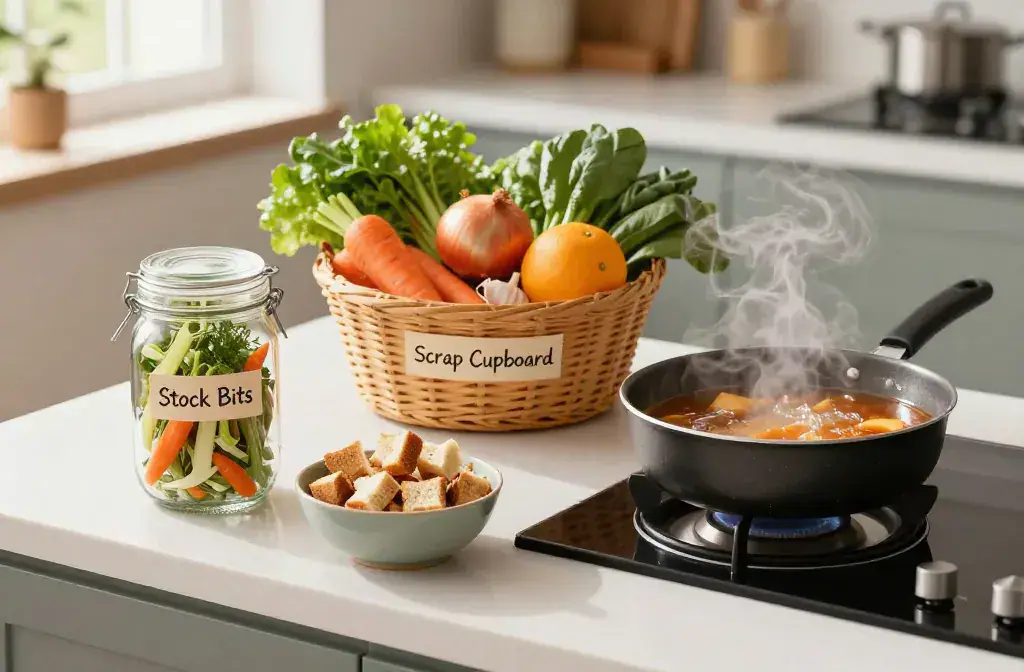
– Stock smart, not fancy: keep a small jar of veggie scraps in the freezer for stock, plus a bag of frozen peels and stems for quick reductions.
– Plan around one pan meals: fewer dishes, more flavor, less chaos.
How to stock your “scrap cupboard”
– Freeze peels and trimmings in a labeled bag for future stock.
– Save stems, tops, and herbs in a damp paper towel inside a container to preserve their scent until you’re ready to use them.
– Keep a small jar of salt, pepper, and a citrus squeeze handy for a quick brightness boost.
One Pan Meals: The Fast Lane to Flavor
One pan meals are the backbone of low-waste cooking turn kitchen scraps. They minimize cleanup, maximize synergy, and still deliver a comforting, family-friendly dinner. Think skillet dinners, tray bakes, and sheet-pan freak-outs that somehow taste like a hug.
Scrappy Skillet Dinner: A crowd-pleasing template
– Start with an aroma base: onion, garlic, and a splash of oil.
– Add vegetables that you’ve got in abundance (yellow squash, broccoli stems, carrot tops, or kale).
– Toss in a protein if you like (chickpeas, sausage slices, or shredded chicken) and a splash of stock or tomato sauce.
– Finish with a squeeze of lemon or a handful of fresh herbs.
Smart Substitutions That Save Time
Substitutions keep you moving when the fridge looks bare. The goal is to honor the flavor profile without feeling boxed in.
- Instead of fresh ginger, use a pinch of ground ginger plus a tiny splash of soy sauce for heat and depth.
- Stale bread becomes breadcrumbs or croutons—both fantastic for texture and savoriness.
- Wilted greens can stand in for fresh greens in soups or curries.
- Leftover vegetable scraps become a tasty stock; you can simmer them for 20 minutes and strain.
Flavor Tradeoffs: Where the Magic Happens
Zero waste doesn’t mean zero flavor. It means you lean into the pot’s tempo. A little acidity, salt, and a touch of sweetness can transform a pot of scraps into something you’d brag about at dinner.
- Acidity brightens everything. A squeeze of lemon, a splash of vinegar, or a tomatoy tang can lift dull veggies.
- Salt is your friend. Taste often and season in stages to avoid over-salting.
- Texture contrast sells the dish. Croutons, toasted seeds, or a crisp topping make ordinary meals feel special.
Storage Tips That Keep Scraps Flavorful
Storing scraps is where a lot of the magic happens. If you do it right, yesterday’s scraps become tomorrow night’s treasure.
Rapid-fire storage rules
- Label everything. A quick note on the bag or jar helps you know what’s inside at a glance.
- Use the freezer first. Freezing slows spoilage and keeps flavors intact for stock, soups, and sauces.
- Keep a dedicated “use soon” zone in the fridge. Place it front and center so you don’t forget.
Serving Ideas That Elevate Scraps to Stages
Serving isn’t afterthought; it’s the wink at the end of a long day. A well-presented bowl or plate sells the dish before the first bite.
- Top bowls with fresh herbs, lemon zest, or a dollop of yogurt to brighten leftovers.
- Pair with a simple grain to stretch into a family dinner. Think quinoa, rice, or pasta.
- Offer optional toppings: toasted seeds, chili flakes, grated cheese, or a drizzle of olive oil.
Meal Prep That Actually Works With Scraps
You don’t need to become a full-time chef to cook low-waste. A few deliberate steps can make the week smoother.
Mini plan for a waste-conscious week
– Sunday: Prep a big batch of stock from scraps and roast a pan of vegetables you’ll reimagine later.
– Monday: Turn yesterday’s stock into a quick soup or sauce; use leftover greens as a topping.
– Wednesday: Make a one pan skillet that uses your saved veggies and any protein on hand.
– Friday: Recycle crusts and stale bread into a comforting bake or crispy crostini.
FAQ: Quick Answers for Busy Home Cooks
Can I really use leftovers for a full dinner or will it taste like leftovers?
Yes, you can. The trick is building flavor with a strong base, bright acidity, and texture. A tomato paste swirl, a splash of stock, and a finish of fresh herbs wake almost any cast-off ingredient.
What if I only have a few scraps left?
That’s fine. Use them with pantry staples to create a quick stir-fry, a simple soup, or a pasta dish. The goal is to combine them in a way that reduces waste and adds up to a satisfying meal.
How long can I freeze scraps for stock?
Most scraps are good for 3 to 6 months in the freezer. Label with date and contents, and don’t forget to strain well for a clean stock.
Are there any ingredients I should avoid wasting?
Avoid using fruits and vegetables that have mold, strong off odors, or sliminess in them. If you’re unsure about a scrap’s safety, err on the side of caution.
Can kids get involved in low-waste cooking?
Absolutely. Let them help with simple tasks like washing greens, tearing herbs, or stirring a sauce. It makes mealtime a family project and teaches good habits.
Conclusion: Your New Low-Waste Kitchen Rhythm
Low-waste cooking turn kitchen scraps isn’t about deprivation; it’s about clever, tasty problem solving. You’ll save money, cut down on clutter, and probably impress your future self with how little effort this took. The recipes you improvise today become the comfort foods your family expects tomorrow. IMO, the best part is you’ll start seeing every scrap as an opportunity rather than a problem.
Recipe Card
Scrappy One Pan Veggie Dinner
A fast, flavorful one pan meal that uses leftover vegetables and pantry staples. Perfect for busy weeknights and easy to customize.
- Prep Time: 10 minutes
- Cook Time: 25 minutes
- Total Time: 35 minutes
- Servings: 4
Ingredients
- 2 cups mixed vegetables scraps (carrot tops, broccoli stems, onion ends, bell pepper bits)
- 1 cup cooked or canned beans or diced chicken for protein
- 2 tablespoons olive oil
- 1 cup stock or water
- 1 teaspoon dried herbs (or a mix of Italian seasoning)
- Salt and pepper to taste
- Juice of half a lemon or a splash of vinegar
- Optional: handful of greens, grated cheese, or breadcrumbs for topping
Instructions
- Heat oil in a large skillet over medium heat. Add scraps and cook until slightly caramelized, about 5 minutes.
- Pour in stock, add herbs, salt, and pepper. Simmer until vegetables soften, about 10 minutes.
- Stir in protein if using. Finish with lemon juice, greens, and a splash of cheese or breadcrumbs for texture.
- Serve warm over rice, quinoa, or crusty bread.
Notes
Customize with what you have. If you’re short on stock, rehydrate dried scraps with hot water. For a crisper finish, broil for 2 minutes at the end to caramelize the top. FYI, leftovers reheat well in a skillet to regain texture.